In the world of nutrition and culinary arts, the question of which meat reigns supreme is a topic of constant debate. Whether you are a fitness enthusiast looking for the most efficient protein source, a home cook aiming for the best flavor profile, or someone concerned with long-term heart health, the choice between lamb, beef, pork, and chicken is rarely straightforward. Each type of meat offers a unique matrix of vitamins, minerals, fats, and proteins.
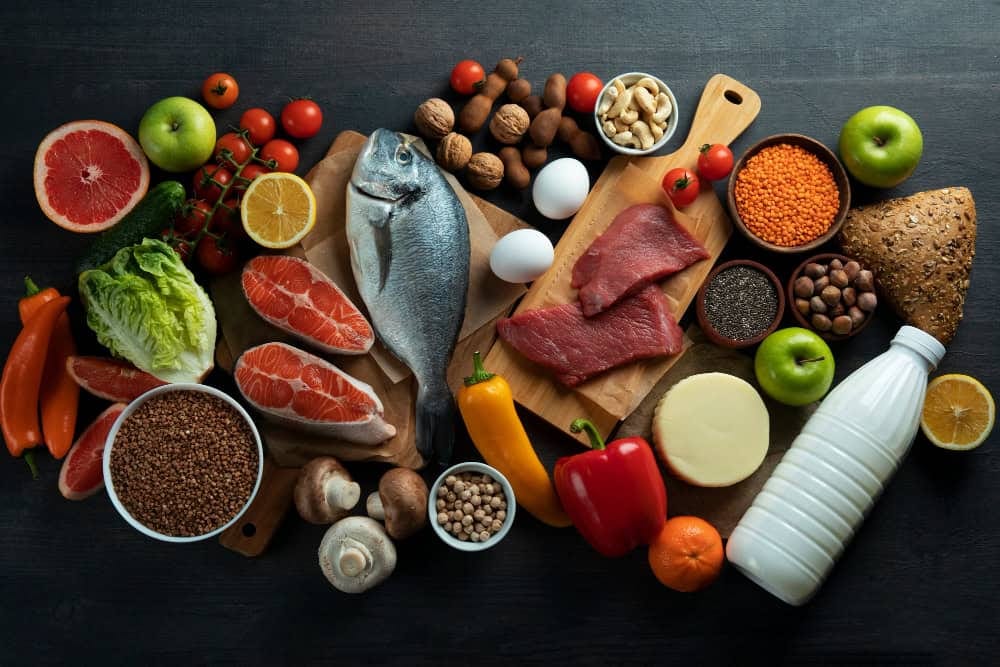
Understanding the nutritional nuances of these four popular meats allows you to make informed decisions that align with your dietary goals. Below is a comprehensive breakdown of how these proteins compare and which might be considered “best” depending on your specific needs.
Beef: The Iron-Rich Powerhouse
Beef is often the first choice for those looking to build muscle and increase strength. It is a dense source of high-quality protein and contains all the essential amino acids required for human health.
Nutritional Strengths
The standout feature of beef is its mineral content. It is exceptionally high in heme iron—the form of iron most easily absorbed by the body—making it a vital food for preventing anemia. Furthermore, beef is a significant source of Zinc, which supports the immune system, and Vitamin B12, which is essential for nerve function and energy production.
Considerations
The primary concern with beef is the saturated fat content, particularly in marbled cuts like ribeye. High consumption of red meat has been linked in various studies to cardiovascular risks. However, choosing lean cuts like sirloin or eye of round can provide the benefits of beef without the excessive caloric load of saturated fats.
Chicken: The Lean Standard
Chicken has long been the darling of the health and fitness community, primarily because of its versatility and lean profile. It is often the benchmark against which other proteins are measured.
Nutritional Strengths
The greatest advantage of chicken, specifically chicken breast, is its high protein-to-fat ratio. It provides a massive dose of protein with very few calories, making it ideal for weight management. Chicken is also rich in niacin (Vitamin B3), which helps the body convert food into energy, and selenium, an antioxidant that protects cells from damage.
Considerations
While chicken is low in fat, it is also lower in iron and zinc compared to red meats. Furthermore, the way chicken is prepared matters immensely. While a grilled breast is a nutritional powerhouse, fried chicken or skin-on thighs significantly increase the intake of inflammatory fats and sodium.
Lamb: The Nutrient-Dense Alternative
Lamb is frequently overlooked in many Western diets, yet it is one of the most nutrient-dense meats available. Because lamb is typically pasture-raised, its nutritional profile often surpasses that of grain-fed beef.
Nutritional Strengths
Lamb is an excellent source of healthy fats, including Omega-3 fatty acids and Conjugated Linoleic Acid (CLA). CLA has been associated with fat loss and improved body composition. Like beef, lamb is rich in Vitamin B12 and selenium. It also contains significant amounts of glutathione, often called the “master antioxidant.”
Considerations
Lamb tends to be higher in calories and total fat than chicken or lean beef. It also has a distinct, gamey flavor that may not appeal to everyone. From a health perspective, it is a superior choice for those looking for “cleaner” red meat, though it should be consumed in moderation due to its caloric density.
Pork: The “Other” White Meat
Pork occupies a middle ground between red meat and poultry. In terms of culinary applications, it is incredibly diverse, ranging from lean tenderloin to fatty bacon.
Nutritional Strengths
Lean pork, such as pork tenderloin, is surprisingly low in calories and fat—often comparable to skinless chicken breast. Pork is uniquely high in Thiamine (Vitamin B1). Thiamine plays a critical role in carbohydrate metabolism and maintaining healthy heart and nerve function. It also provides a good amount of phosphorus, which supports bone health.
Considerations
The reputation of pork is often tarnished by its processed forms. Ham, bacon, and sausages are typically loaded with nitrates and excessive sodium, which are linked to hypertension and other chronic issues. To reap the benefits of pork, one must stick to fresh, unprocessed cuts.
Which Is Best? The Verdict
Determining the “best” meat depends entirely on your personal health priorities:
- For Weight Loss and Lean Muscle: Chicken is the winner due to its low calorie count and high protein density.
- For Iron Deficiency and Strength Building: Beef takes the lead because of its superior iron and zinc bioavailability.
- For Healthy Fats and Micronutrients: Lamb is the top choice, especially for those who prefer grass-fed, natural fat profiles.
- For Metabolic Support: Pork (specifically lean cuts) is excellent due to its high thiamine content.
Conclusion
There is no single “perfect” meat that suits every person at all times. A balanced approach to nutrition suggests that variety is the most beneficial path. By rotating these proteins, you can enjoy the iron of beef, the leanness of chicken, the healthy fats of lamb, and the B-vitamins of pork.
The key to healthy meat consumption lies in three factors: portion control, the quality of the source (preferring grass-fed or organic when possible), and the method of cooking. By avoiding deep-frying and heavy, sugary sauces, any of these four meats can be a cornerstone of a healthy, vibrant diet.